

Cart
You have no items in your shopping cart
From Hawaii's home of SUP — a complete guide to finding the right board for your size, style, and conditions.
Aloha and mahalo for dropping in with Blue Planet Surf. One of the most frequent questions we get at our shop in Honolulu is how to determine what size and type of board is right for you. With the right knowledge, you can choose the ideal board to suit your surfing and paddling needs — and have more fun on the water.
Jump to a section
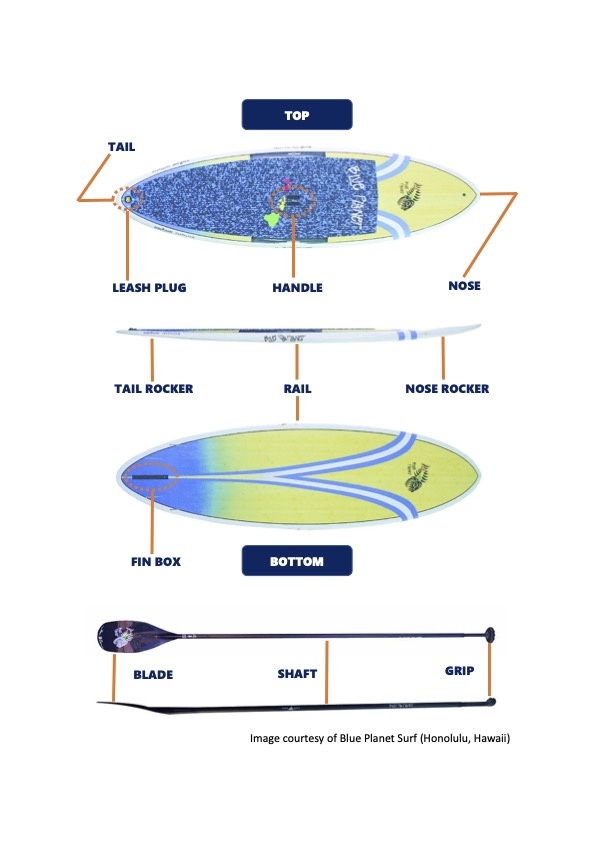
Board and paddle terminology — courtesy of Blue Planet Surf
Your needs
01
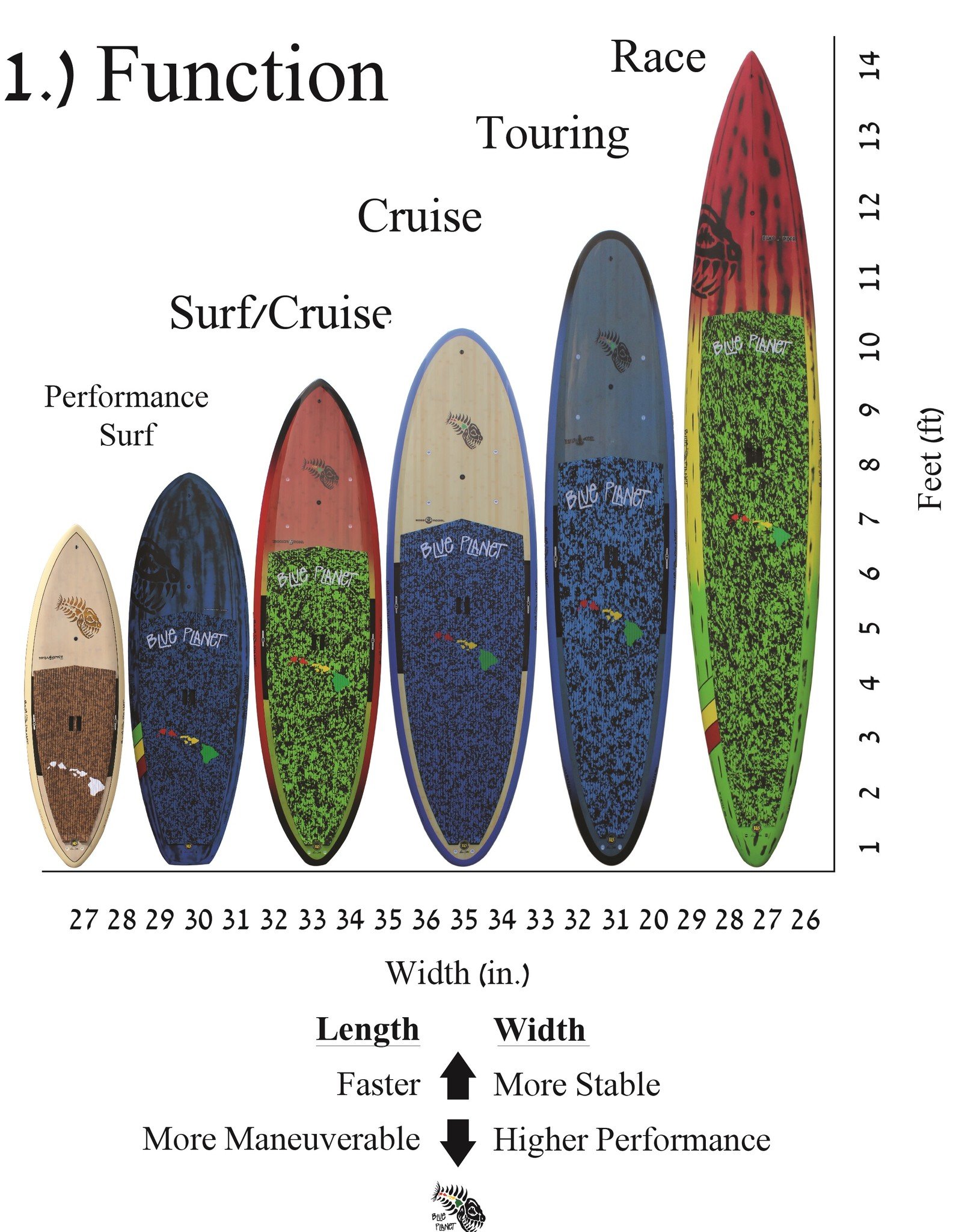
First and foremost, consider what type of paddling you intend to do. Determining whether you'll be surfing, racing, cruising, or doing a mix will immediately narrow your board selection. In general, shorter and smaller boards are more maneuverable and surf-oriented, while longer and more streamlined designs are better for racing. For cruising, look for boards between those two ends of the spectrum.
02
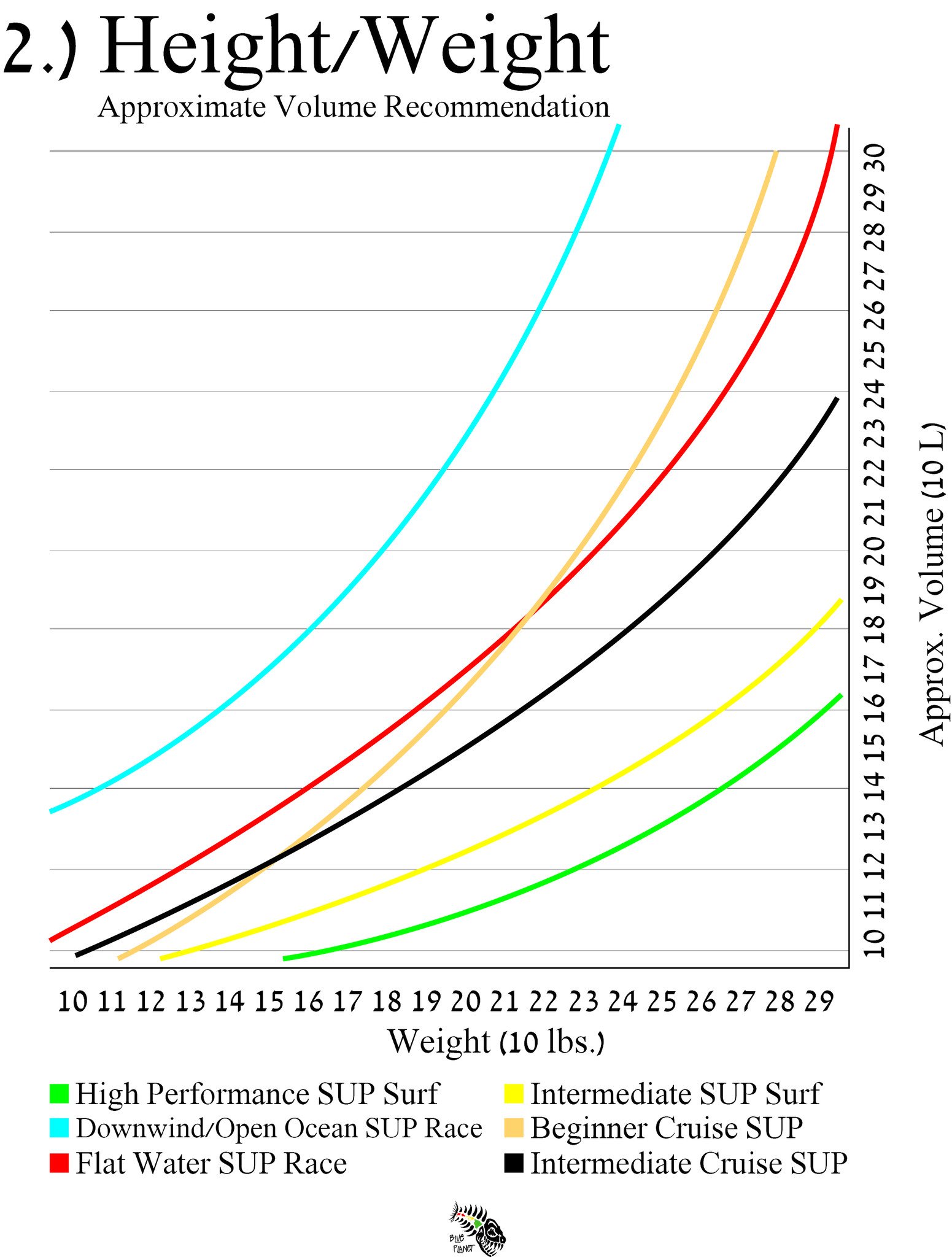
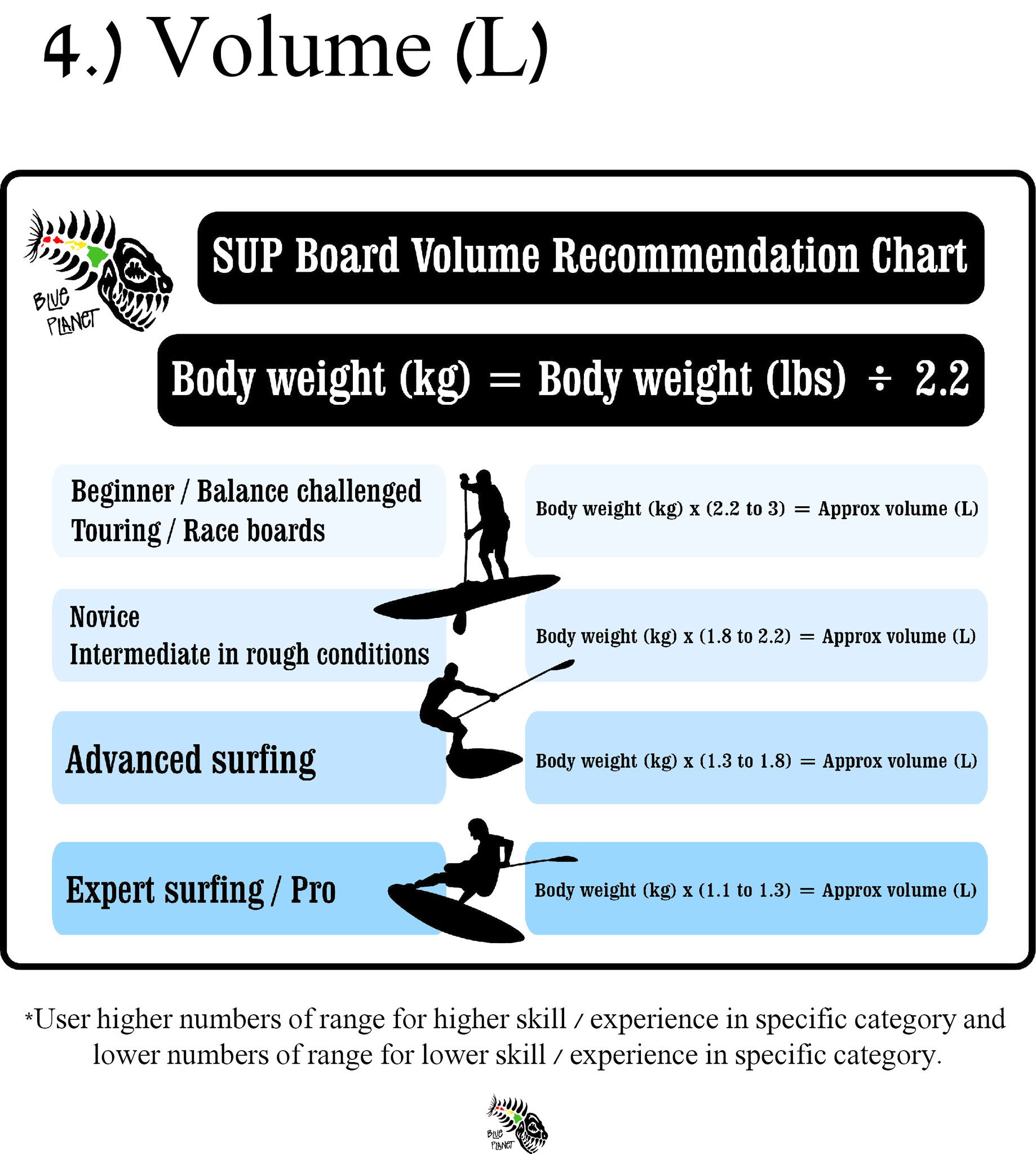
Height and weight, along with skill level, are the next big factors. Because paddle boarding requires the board to stay on top of the water at all times, your size dictates the floatation the board needs to offer. A first-time paddler with an athletic background will manage a lower-volume board more easily than someone less active — even at the same weight. Use the Blue Planet SUP Board Volume Recommendation Chart to match your weight and skill level to the right volume range.
03
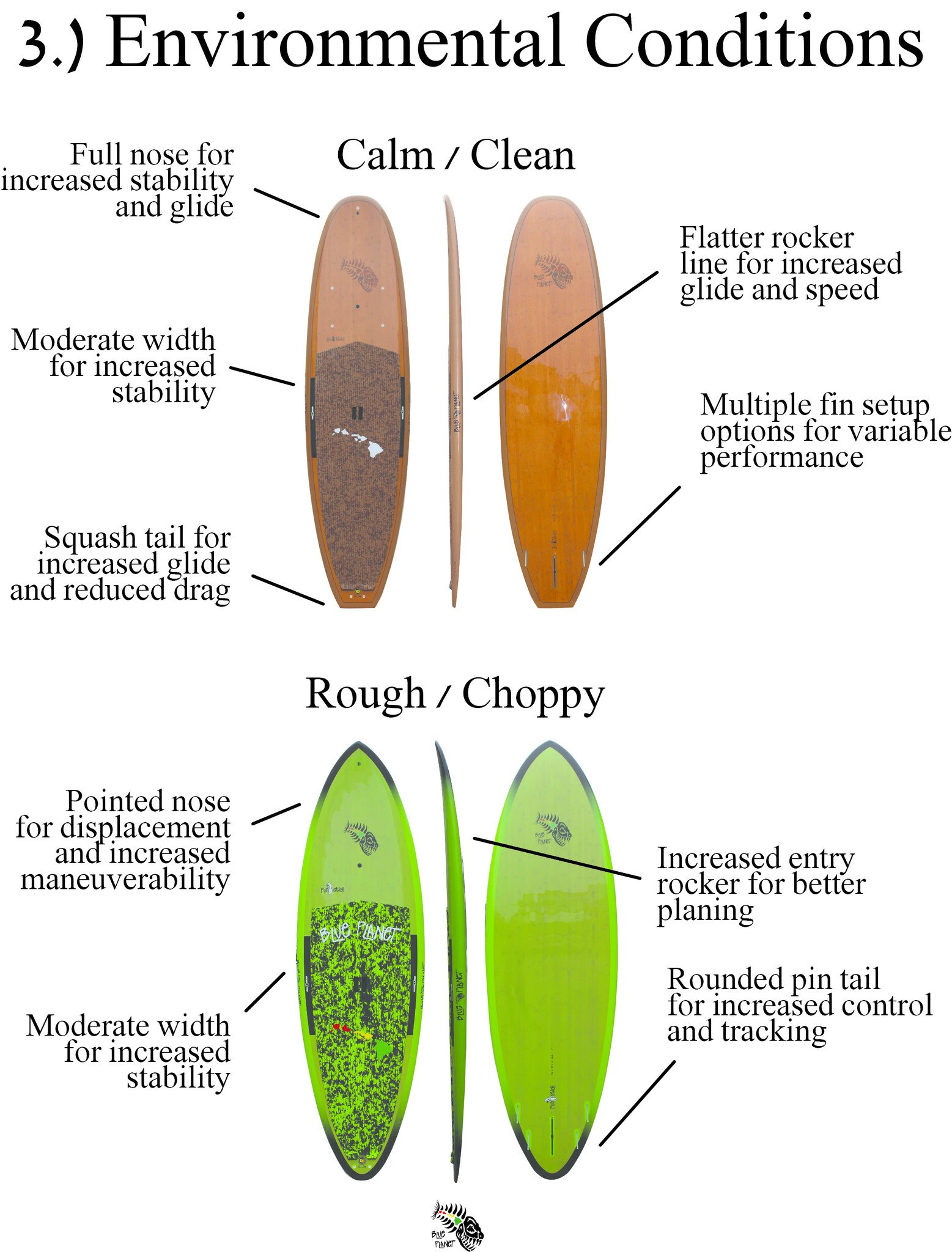
The type of water you'll be paddling in matters significantly. Fuller outlines offer more stability and are great for calm conditions, while more pointed outlines provide better control in wind or chop. Consider how frequently you'll be in each type of condition and choose shapes most conducive to performance in those environments.
04
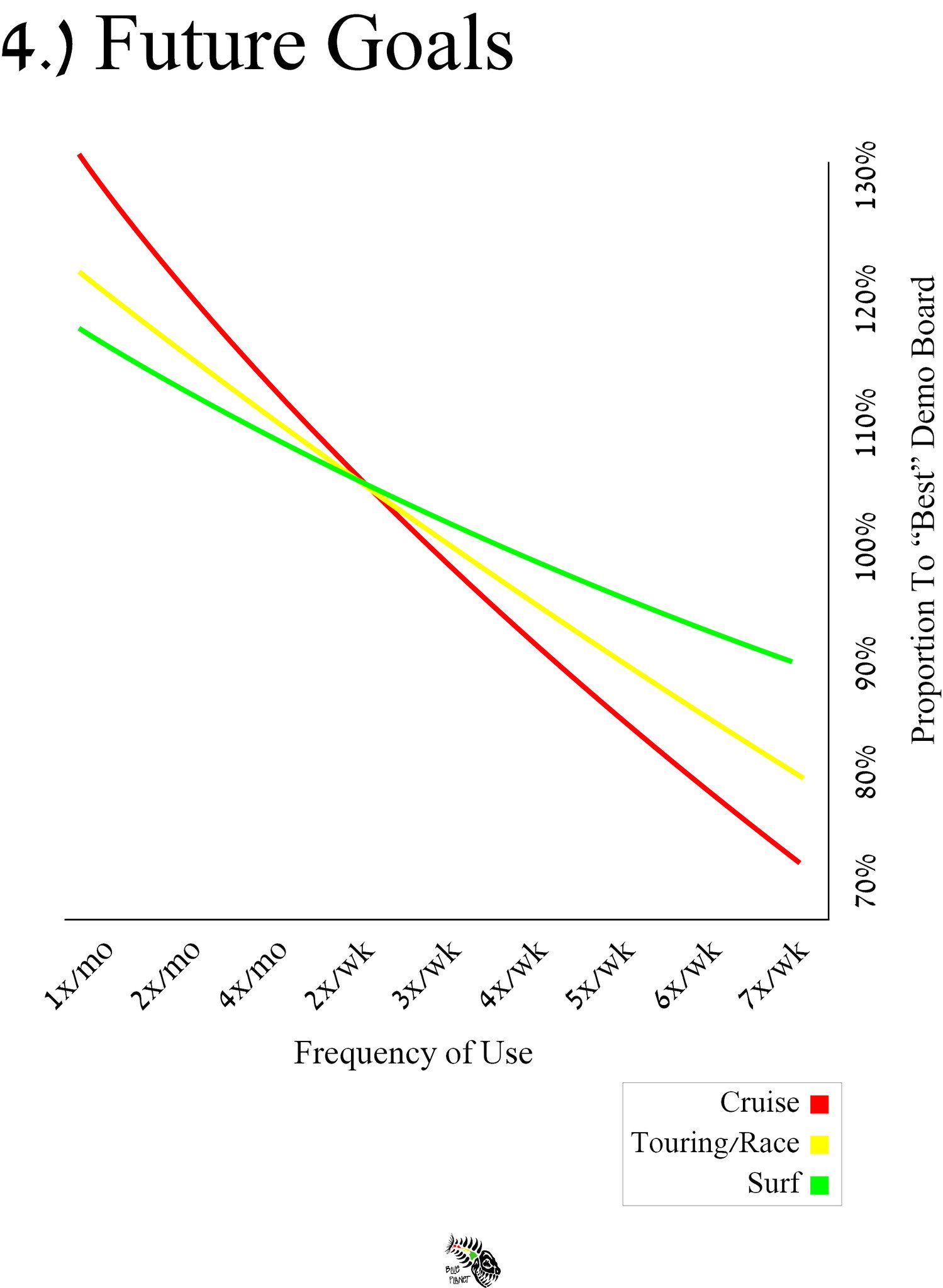
Two key questions to ask yourself:
You may want to choose a board that leaves room for growth so you don't progress out of it too quickly. There's nothing wrong with owning multiple boards to cover different conditions.
Board dimensions
05
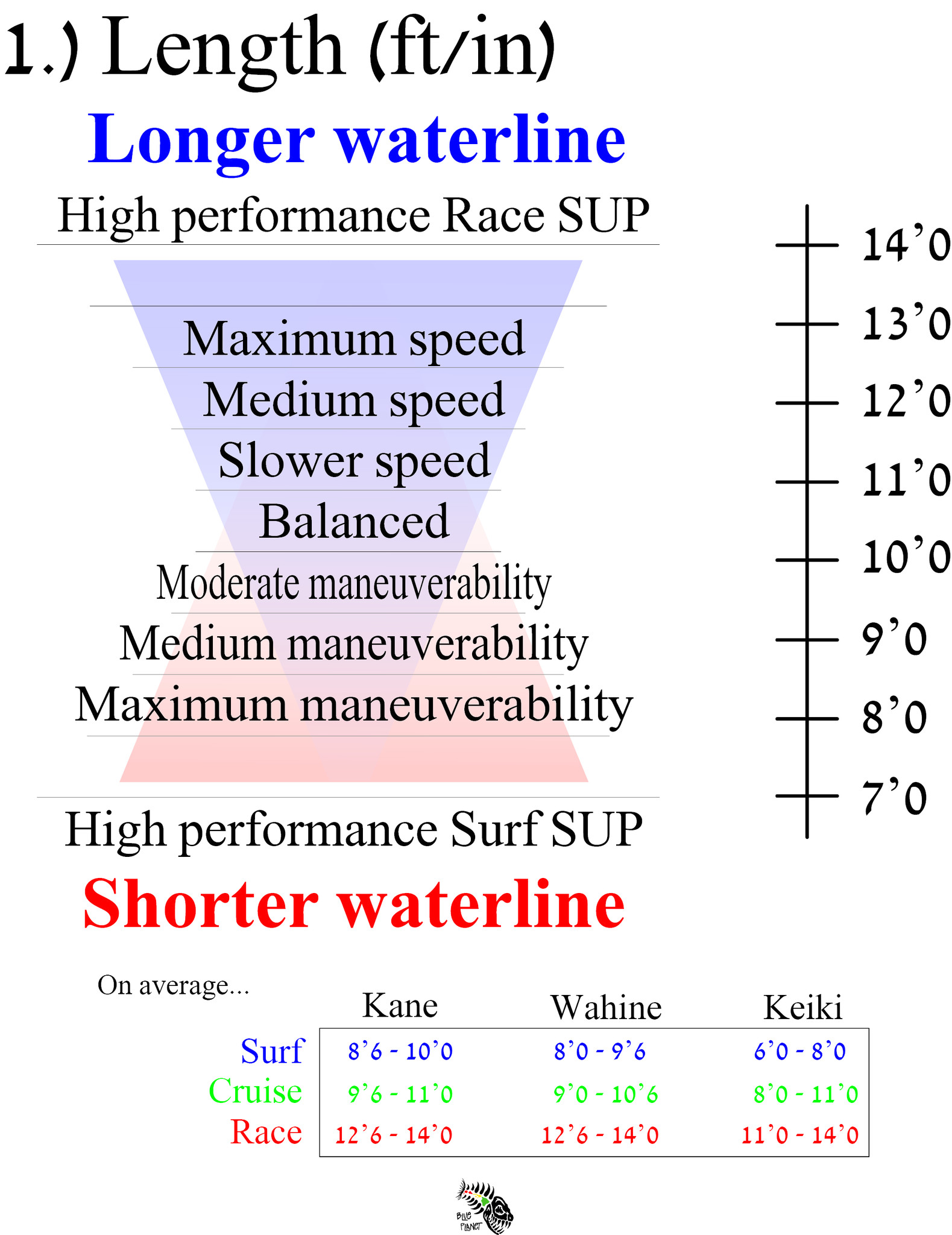
Measured from nose to tail. Longer boards are faster; shorter boards are more maneuverable.
06
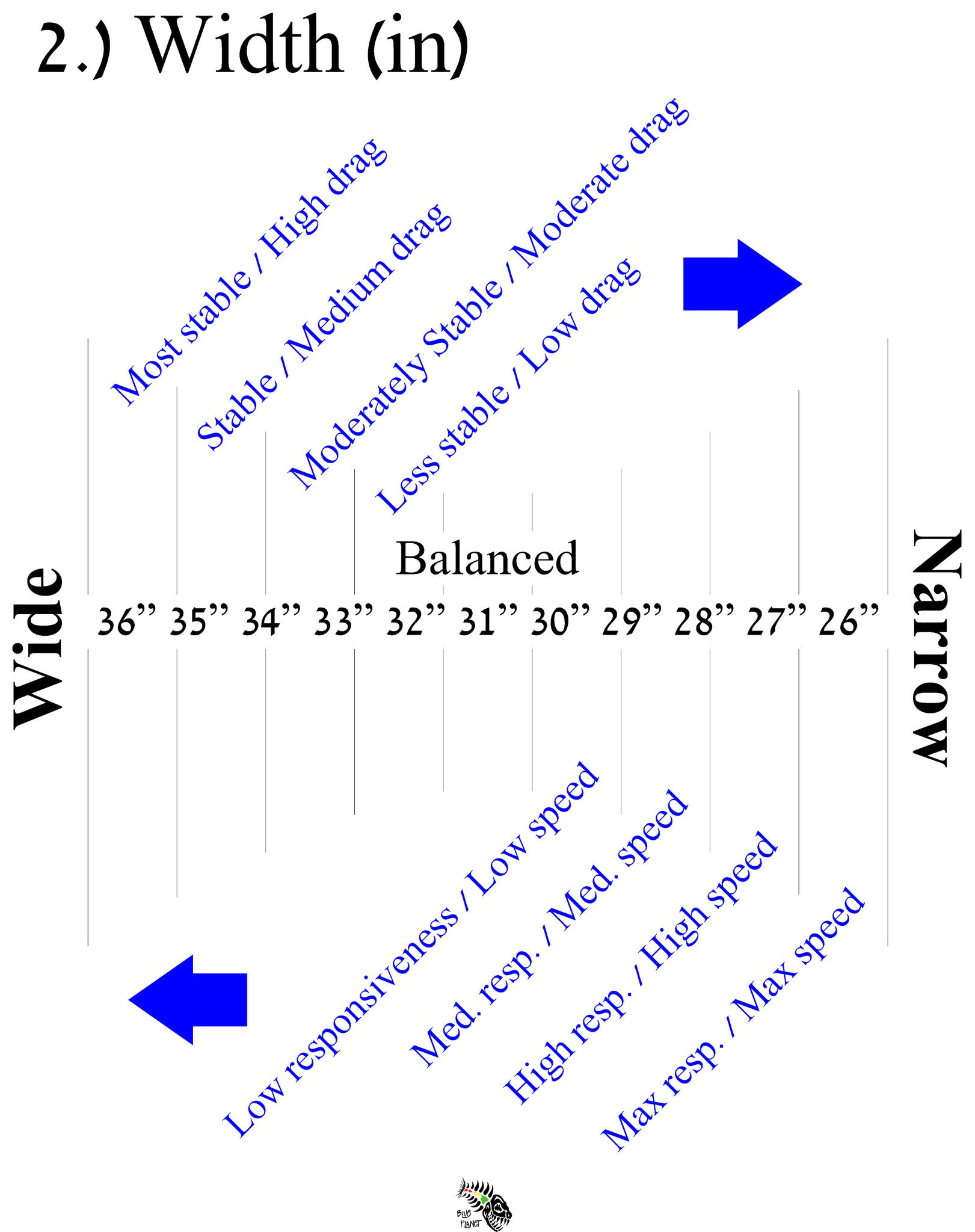
The most influential factor in stability, measured at the widest point. Wider boards offer greater stability but decrease speed and responsiveness.
07
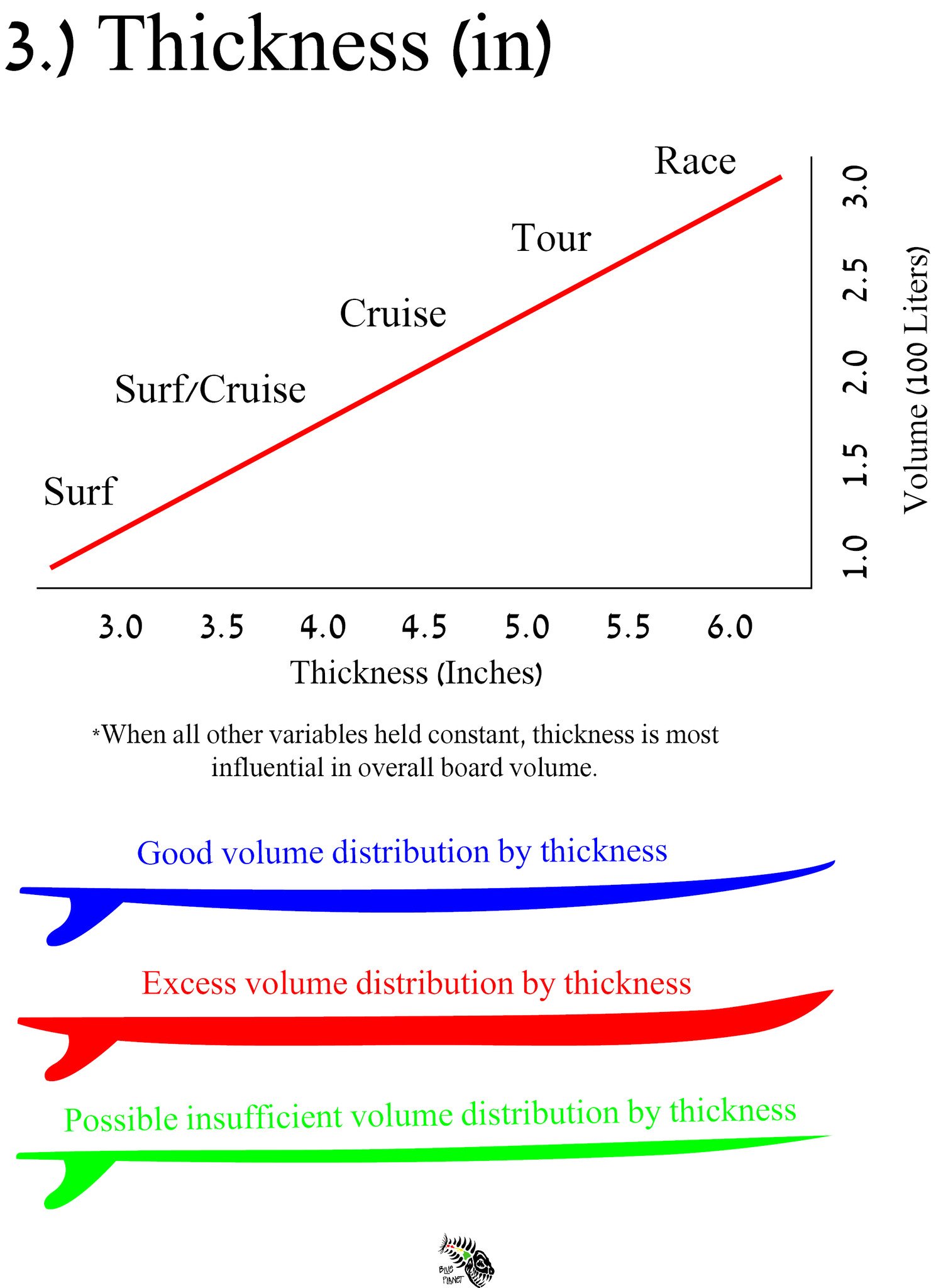
Less critical on its own — but pay attention to how volume is distributed from nose to tail and from stringer to rails. A flat deck pulls thickness to the rails for stability; a convex deck tapers toward the rails for surf performance.
08
Critical for SUPs — unlike surfboards, a SUP needs to float you even when stationary. The four key variables are height, weight, board function, and skill level. Too much volume inhibits surf performance; too little means poor floatation. Use the Blue Planet Volume Chart: take your weight in kg and multiply by a factor between 1.1 and 3. Lower = more performance-oriented; higher = easier or race-oriented.
Board shape
09
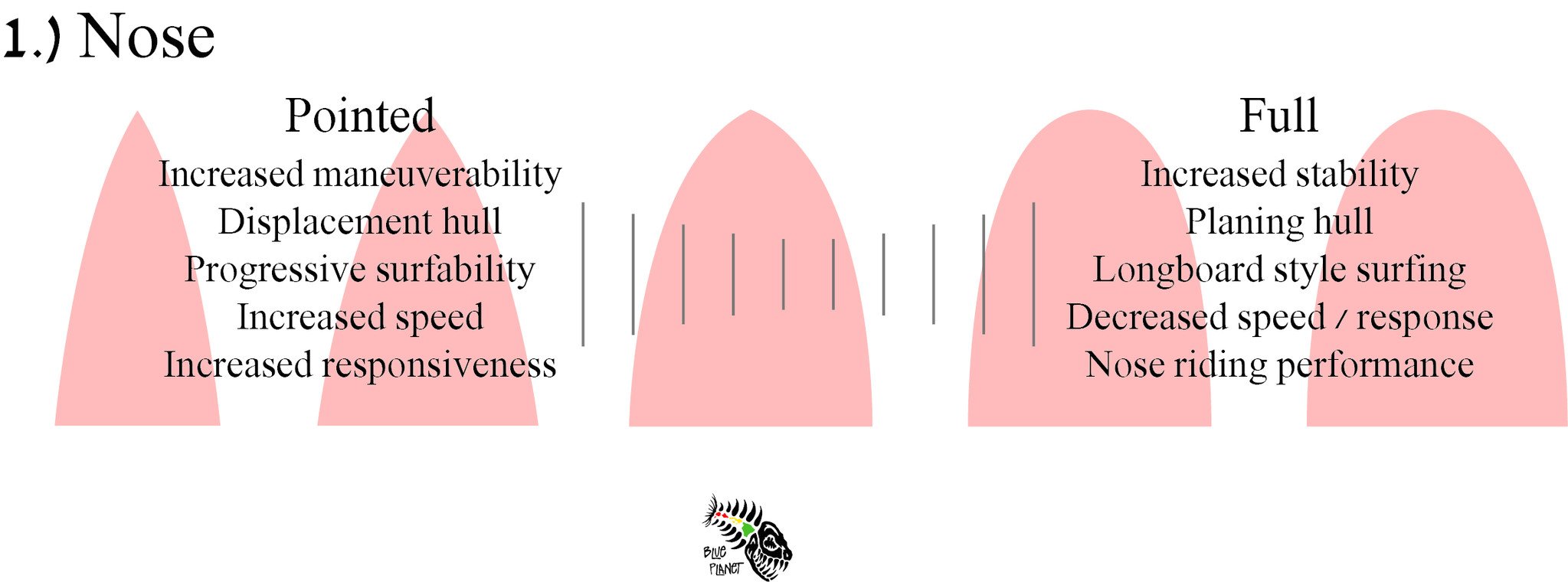
Pointed noses (displacement hulls) offer increased maneuverability, speed, and less drag. Fuller noses (planing hulls) provide better nose-riding performance, increased planing, and stability — but are less ideal for choppy open-ocean conditions.

10
Fuller tails offer a better planing surface for glide and speed but with looser control. Pinched tails provide tighter turning and better control in the pocket — ideal for bigger, hollower waves. For small waves, slightly fuller tails help generate and maintain speed.
11
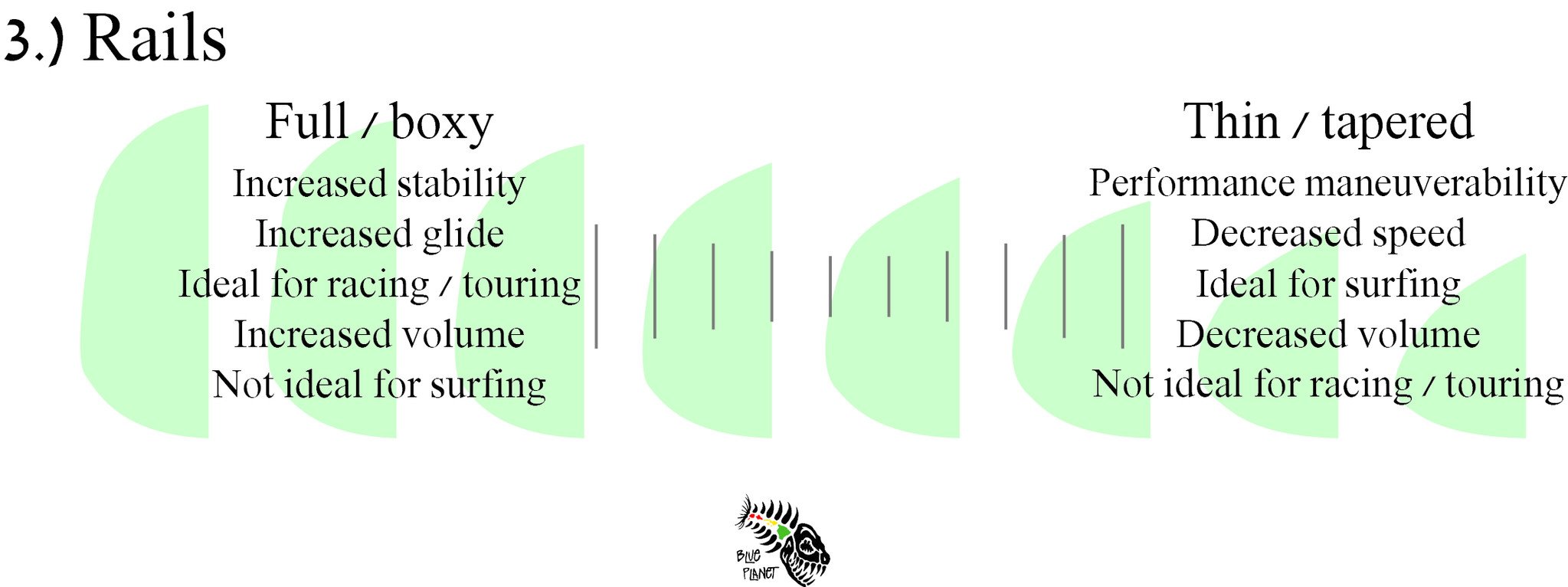
The rail design in the standing area is the key area to assess. Thicker, boxier rails mean more stability — ideal for racing, touring, and cruising. Thinner or more tapered rails offer better control when holding a rail in a wave, allowing for faster, more responsive surfing.
12
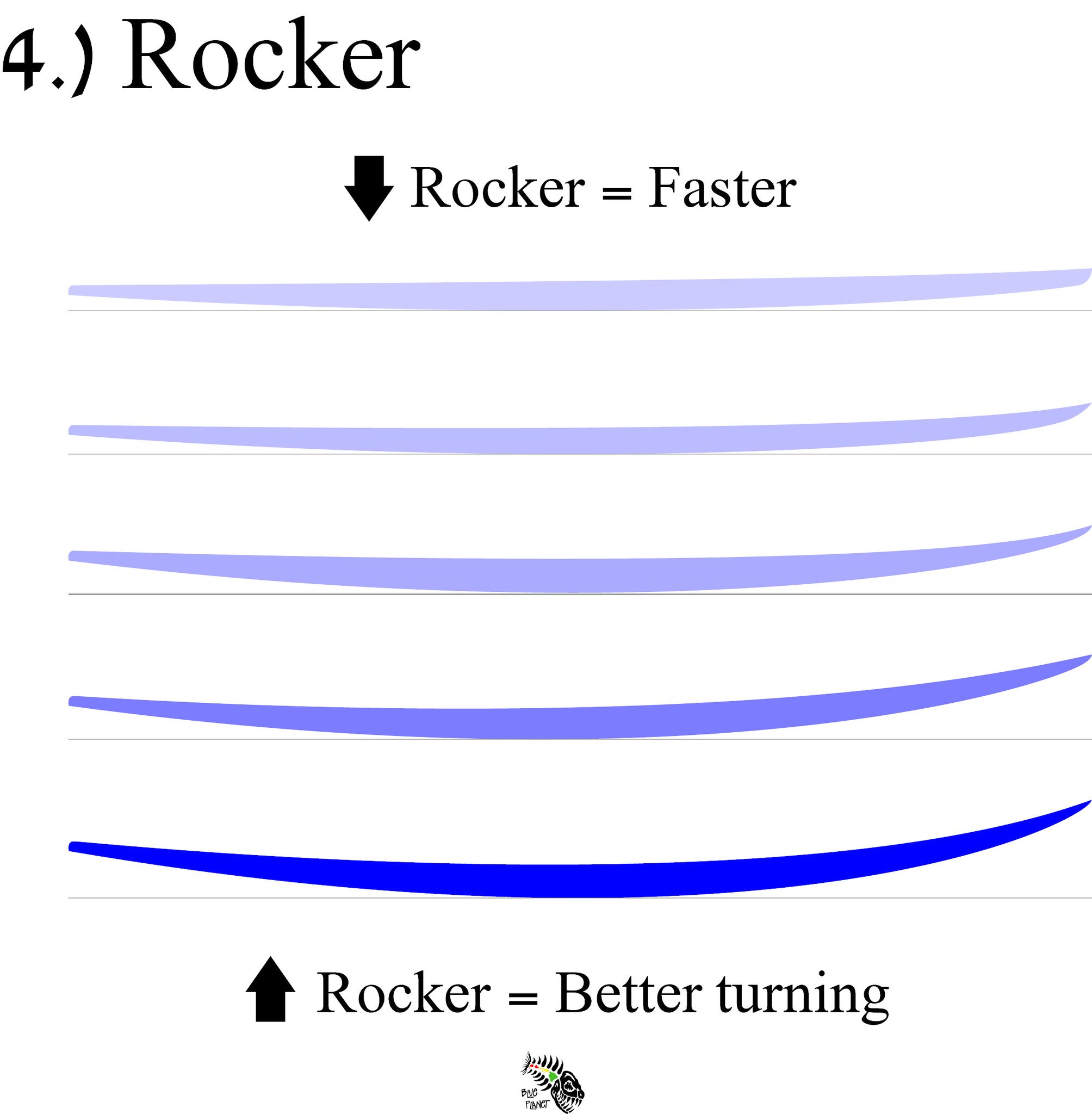
One of the most important components of board design. Flatter rockers mean more speed; more pronounced rocker enables better turning in surf or management of open-ocean conditions in racing.